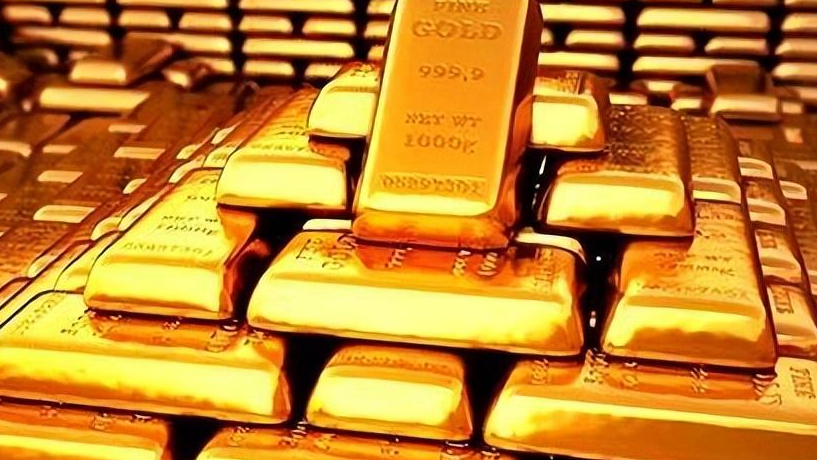
Gold prices per ounce are on a tear, breaking records and dominating financial headlines. If you're watching the ticker climb with a mix of fascination and anxiety, you're not alone. The surge isn't just a blip—it's a signal. It reflects deep currents in the global economy, from central bank policies to geopolitical tensions. This guide cuts through the noise. We'll look at why gold is moving, how you can realistically get exposure, and what seasoned investors are doing differently when everyone else is rushing in.
In This Article
Key Drivers Behind the Gold Rally
Let's be clear: gold doesn't move in a vacuum. The recent surge in the price per ounce is a reaction to a specific cocktail of economic and political factors. Calling it just an "inflation hedge" oversimplifies things. Here's what's really fueling the fire.
Central Banks Are Buying Like Never Before
This is the big one that many retail investors miss. According to the World Gold Council, central banks have been net buyers of gold for over a decade, with purchases hitting multi-decade highs recently. Countries like China, India, Poland, and Singapore are leading the charge. Why? They're diversifying their reserves away from the US dollar and other fiat currencies, seeking an asset with no counterparty risk. This institutional demand creates a massive, steady floor under the gold price that wasn't as strong in previous cycles.
The Interest Rate Pivot Narrative
Gold pays no interest. So, when interest rates are high, the opportunity cost of holding gold is high—you could be earning yield in bonds. The market's growing expectation that major central banks, especially the Federal Reserve, are done hiking rates and will eventually cut them changes this calculus. Lower rates (or the expectation of them) make non-yielding gold more attractive. Every piece of weak economic data that hints at future rate cuts tends to send gold higher.
Geopolitical Uncertainty and Safe-Haven Flows
War in Europe, tensions in the Middle East, trade disputes—these events don't create long-term trends in gold by themselves, but they amplify existing ones. During periods of crisis, capital seeks safety. Gold's 5,000-year history as a store of value during turmoil makes it a prime destination. This "fear trade" can cause sharp, volatile spikes on top of the more fundamental trends driven by central banks and macroeconomics.
A subtle point most miss: The relationship between the US dollar and gold is often inverse, but it's not perfect. In 2024, we've seen periods where both the dollar and gold strengthened simultaneously. This tells you the buying pressure on gold is so strong it's overpowering its usual currency dynamics. That's a sign of a powerful, multifaceted rally.
How to Invest in Gold: Beyond the Bullion Bar
Thinking of buying gold? Your first thought might be a shiny coin or bar. That's one way, but for most investors, it's not the most efficient. Storage, insurance, and high markups from dealers eat into returns. Let's break down the practical options, weighing the pros and cons you'll actually face.
| Investment Method | How It Works | Best For | Key Drawback |
|---|---|---|---|
| Physical Gold (Bullion/Coins) | Direct ownership of bars (e.g., from PAMP) or coins (e.g., American Eagle, Canadian Maple Leaf). | Investors seeking tangible asset, privacy, and direct control outside the banking system. | High premiums over spot price, secure storage costs, illiquidity for large sales. |
| Gold ETFs (e.g., GLD, IAU) | Exchange-Traded Funds that hold physical gold bullion in vaults. Each share represents a fraction of an ounce. | Most investors. Easy to buy/sell in a brokerage account, low cost, high liquidity. | You don't own physical metal, subject to fund expenses (though low). |
| Gold Mining Stocks | Buying shares of companies that mine gold (e.g., Newmont, Barrick). | Those seeking leveraged exposure to gold prices and potential dividend income. | Company-specific risks (management, costs, geopolitics). Stock can underperform gold price. |
| Gold Futures & Options | Derivative contracts to buy/sell gold at a future date. Traded on exchanges like COMEX. | Sophisticated traders and institutions looking for high leverage or to hedge. | Extremely high risk, complex, potential for unlimited losses. Not for beginners. |
My personal take? For core, long-term exposure, a low-cost ETF like IAU is hard to beat. It's the workhorse. I keep a small allocation in physical coins for psychological reasons—it feels different to hold it—but it's not the bulk of my position. The mining stocks are a separate animal; you're betting on a company's ability to profit, not just on gold's price. I've seen too many investors buy a lousy miner thinking it's "cheap gold" and get burned.
Gold Price Forecast and Market Sentiment
Predicting any asset's price is a fool's errand, but we can assess the landscape. The consensus among major banks like UBS, Goldman Sachs, and analysts at the World Gold Council is cautiously bullish for the remainder of 2024 and into 2025. Targets often range between $2,400 and $2,600 per ounce, with the understanding that volatility is guaranteed.
The bullish case rests on the drivers we discussed holding steady: continued central bank demand, a Fed cutting cycle, and persistent geopolitical friction. The bearish risks are clear: if inflation proves stickier than expected, forcing central banks to delay or even reverse rate cuts, the opportunity cost argument against gold returns with a vengeance. A sharp, sustained rise in the US dollar or a sudden resolution of major global conflicts could also trigger a pullback.
Sentiment is a tricky gauge. Mainstream media coverage is now overwhelmingly positive, which historically can be a contrarian indicator in the short term. The real money, however—the institutional and central bank flows—still seems to be leaning long.
Common Mistakes When Gold Prices Surge
Watching prices go up makes people impulsive. After two decades in markets, I've seen these errors repeated.
- FOMO Buying at the Top: The worst time to decide you need gold is after a 20% monthly spike on CNBC headlines. This leads to buying high and selling low during the inevitable shakeout.
- Over-allocating: Gold is a diversifier, not the main event. Shifting 50% of your portfolio into it because it's "hot" destroys your asset allocation and exposes you to massive sector risk.
- Ignoring the 'Why': Buying gold without understanding if you're hedging inflation, currency risk, or systemic fear means you won't know when your thesis has played out or broken.
- Chasing Leveraged Plays: Buying tiny, speculative mining stocks or using futures because "gold can't lose" is a surefire way to lose capital even if you're right on the overall direction.
A better approach? Decide on a strategic allocation (say, 5-10% of your portfolio) and build it gradually through dollar-cost averaging, especially during periods when gold isn't in the news.
Your Gold Investment Questions Answered
Is it too late to buy gold after such a big rally?
The question isn't about timing the absolute top or bottom—that's impossible. It's about purpose. If you have zero exposure and want it for long-term portfolio insurance, waiting for a 10% pullback might be prudent, but establishing a small starter position isn't unreasonable. Trying to trade the short-term swings after a parabolic move, however, is exceptionally risky. The late-stage momentum attracts the most speculative money, which can exit just as fast.
What percentage of my portfolio should be in gold?
There's no universal number, but most financial advisors suggest between 5% and 10% for a meaningful diversification effect without over-concentrating risk. Ray Dalio's famous "All Weather" portfolio allocates 7.5% to gold. The key is to rebalance. If your gold allocation grows to 15% because of a rally, sell some back to your target. If it falls to 3%, buy more. This forces you to buy low and sell high systematically.
With high interest rates, why wouldn't I just hold cash or Treasury bonds instead of gold?
Cash and Treasuries are excellent for preserving nominal capital and earning yield. Gold serves a different function: preserving purchasing power over the very long term and acting as insurance against tail risks. If you hold a 10-year Treasury bond, you know exactly what you'll get in dollars in 2034. You don't know what those dollars will buy. Gold's value is its lack of connection to any government's promise. It's the hedge against the system itself, which is why it often performs when both stocks and bonds fall together.
How do I track the real-time gold price per ounce for making decisions?
Reliable, free sources are crucial. I use Kitco.com or BullionVault's live charts for a clean view. For macroeconomic context, the World Gold Council website publishes monthly reports on demand trends. Avoid getting your price quotes from generic financial news sites that might have delayed data; the spot price on the COMEX is the benchmark. Remember, the price you pay for physical metal will be the spot price plus a premium, which can vary widely by dealer and product.